Sustainability in Australia: A Western Australian Perspective
Sustainability in Australia cannot be separated from scale, climate, and isolation. We live on a vast continent with fragile ecosystems, ancient soils, limited water, and long supply chains. Western Australia, in particular, sits at the edge of global markets—rich in resources, yet deeply exposed to the consequences of how those resources are extracted, exported, and consumed.
Living on an Ancient, Finite Landscape
Australia’s landscapes are among the oldest on Earth. Our soils are nutrient-poor, slow to regenerate, and easily degraded. Water is scarce and unevenly distributed, and climate change is intensifying heat, drought, and extreme weather events—especially across Western Australia.
Despite this, our economy has been built on the assumption of abundance.
- Timber from native forests has historically been treated as expendable, despite forests taking centuries to mature.
- Minerals—iron ore, lithium, nickel, bauxite—are extracted at enormous scale, exported largely unprocessed, and rarely returned to the economy in finished goods.
- Food systems are increasingly vulnerable, reliant on long-distance transport, fossil fuels, and climate-stressed land.
This raises a critical question: Are we living within the limits of our landscape, or borrowing from the future?
The Resource Paradox of Western Australia
Western Australia is one of the world’s great resource regions, yet most residents experience sustainability as higher costs, limited choice, and growing waste.
We export raw materials overseas, then import finished products back—often cheaply made, short-lived, and difficult to recycle locally. The distance alone increases carbon emissions, while local manufacturing and repair industries have steadily declined.
At the same time, regional communities bear the environmental cost:
- Land disturbance from mining
- Water drawdown and contamination risks
- Loss of biodiversity
- Fly-in–fly-out labour models that weaken social cohesion
The economic benefits are real—but so are the long-term environmental and social debts.
Waste, Distance, and the Illusion of Recycling
In Western Australia, recycling is not just a behavioural issue—it is a logistical one. Vast distances, small populations, and limited processing infrastructure mean that many recyclable materials are stockpiled, downcycled, or sent interstate or overseas.
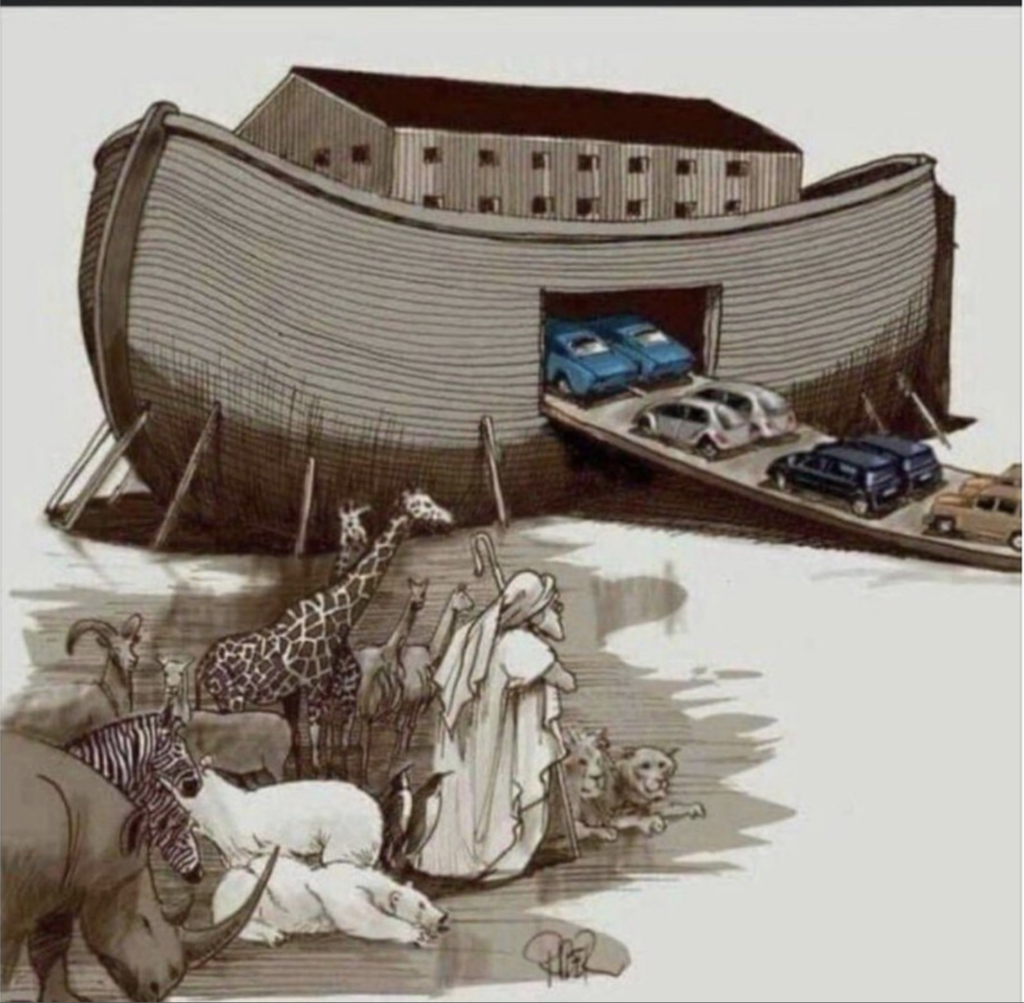
This exposes a flaw in how sustainability is often framed: recycling alone cannot solve a system designed for disposability.
When the cost of recovery exceeds the value of the material, waste becomes someone else’s problem—usually future generations.
Cheap Goods and Hidden Labour
Australians enjoy relatively high living standards, but many everyday goods are made possible through:
- Low-paid labour overseas
- Weak environmental protections
- Resource extraction far from consumers
This creates a moral and environmental disconnect. We may not see the deforestation, pollution, or worker exploitation, but we benefit from it. Sustainability asks us to confront this discomfort and question whether low prices truly reflect low cost.
Towards a Circular Economy That Makes Sense for WA
A circular economy in Western Australia must be local, practical, and regionally resilient, not a copy of models designed for dense European cities.
Key opportunities include:
- Designing products for durability, repair and reuse, especially in tools, furniture, appliances and building materials
- Supporting local manufacturing and fabrication, even at smaller scales
- Valuing repair skills, trades, and maintenance as essential infrastructure
- Using waste streams locally—organics to soil, timber to building, glass to construction materials
In food systems, this means:
- Regenerative agriculture suited to WA’s climate
- Urban and peri-urban food production
- Water-wise growing methods
- Reducing food waste through preservation, fermentation and seasonal eating
Making Quality and Care Desirable Again
Perhaps the most important shift is cultural. Sustainability in Australia will not succeed if it is framed as deprivation. Instead, it must reconnect people with:
- Craftsmanship
- Longevity
- Repair
- Stewardship of land and resources
Choosing fewer, better-made items—especially those designed for Australian conditions—reduces waste, supports local economies, and builds resilience in an uncertain future.
Sustainability as Responsibility, Not Trend
For Australia, and Western Australia in particular, sustainability is not a lifestyle trend. It is a responsibility tied to living on an ancient, fragile continent and benefiting from its resources.
If we continue to extract, consume and discard as if limits do not exist, the costs will not be abstract—they will be local, visible, and enduring.
Sustainability asks us to slow down, look closely at what we make and use, and build systems that can endure the realities of our climate, our distance, and our shared future.
Sustainability in Everyday Life
A Coastal Western Australian Lens
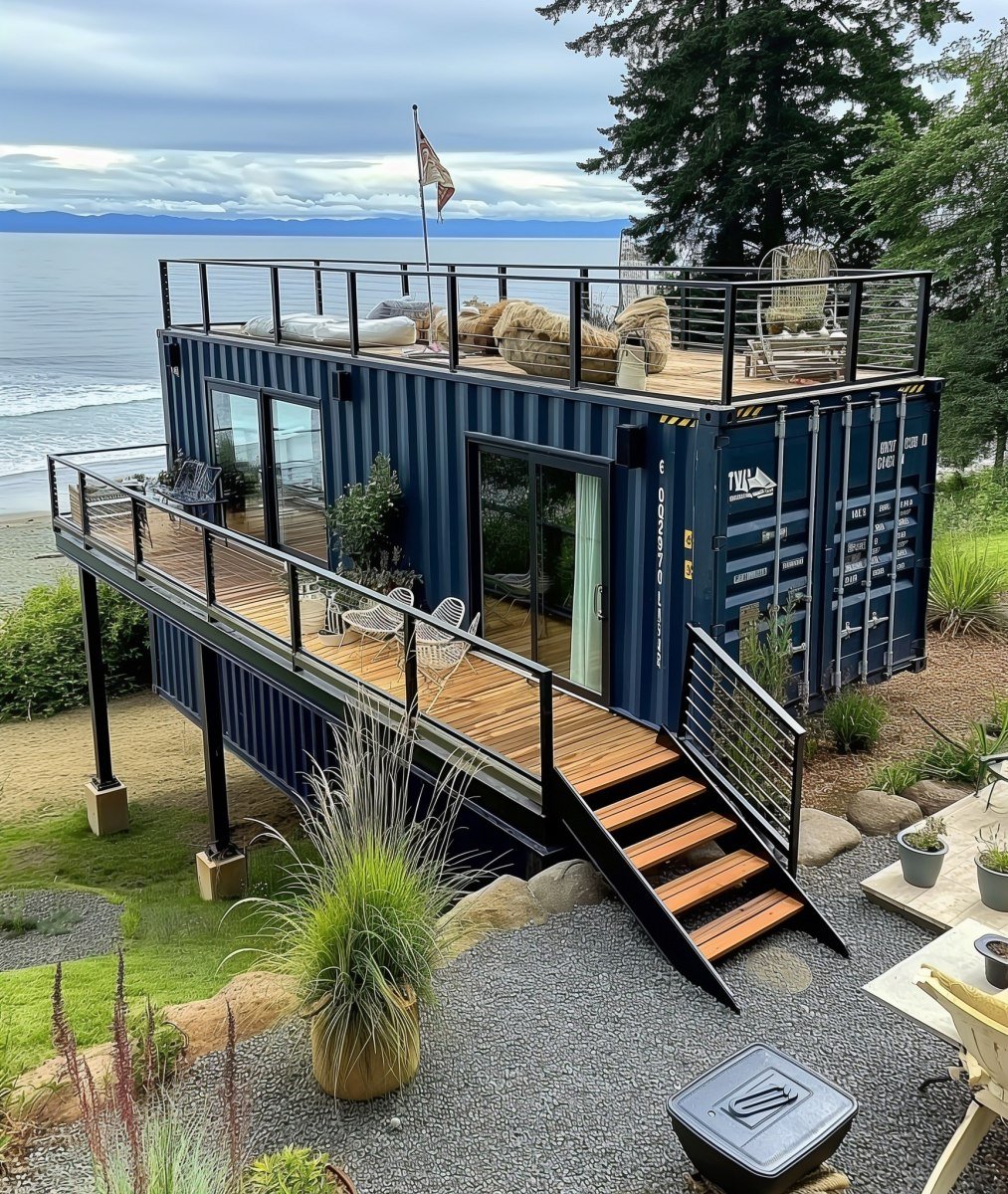
Living sustainably in coastal Western Australia means designing life around exposure—to sun, wind, salt, and limited freshwater—while sharing space more densely along fragile coastlines. Scarborough is a good example: an urban beach suburb where lifestyle, development pressure and climate reality intersect daily.
Sustainability here is not abstract. It shows up in how our homes weather, what survives in our gardens, how we source food, and what we choose to buy and discard.
Home: Designing for Climate, Not Fighting It
Coastal homes in WA face relentless sun, salt-laden air, strong winds and rising summer temperatures. Many sustainability challenges stem from buildings that resist these conditions rather than work with them.
What sustainability looks like at home:
- Passive design first: orientation for shade and airflow, deep eaves, verandas, and cross-ventilation reduce reliance on air conditioning.
- Materials suited to salt air: durable finishes, stainless steel fixings, quality timbers, and well-chosen coatings last longer and reduce replacement cycles.
- Thermal mass and insulation that buffer heat rather than trap it.
- Water efficiency: low-flow fixtures, rainwater tanks where feasible, and thoughtful reuse of greywater for gardens.
- Repair over replace: maintaining doors, windows, decks and fittings rather than discarding them when salt and weather take their toll.
A sustainable home on the coast is not pristine and sealed—it is adaptable, breathable, and designed to age well.
Food: Coastal Growing and Conscious Eating
Food sustainability in Scarborough is shaped by limited space, sandy soils, water restrictions and heat. Yet coastal living also offers opportunities for local, resilient food systems.
Everyday food choices that matter:
- Growing what suits the climate: herbs, leafy greens, tomatoes, capsicum, citrus, figs, olives, rosemary and native edibles that tolerate wind and salt.
- Container and courtyard growing: raised beds, wicking beds and pots reduce water use and improve soil control.
- Water-wise practices: mulch, shade, drip irrigation, and timing watering for cooler hours.
- Seasonal eating: choosing produce grown in WA, in season, reduces transport emissions and supports local farmers.
- Reducing food waste: composting, worm farms, preserving surplus through fermenting, drying and freezing.
In coastal suburbs, food sustainability is less about self-sufficiency and more about participation—knowing where food comes from and respecting the systems that produce it.
Building and Development: Density With Care
Coastal WA is under increasing pressure to densify. While higher density can reduce sprawl, poorly designed development often increases heat, runoff, energy use and social disconnection.
Sustainable coastal development should:
- Respect coastal wind patterns and avoid creating heat traps.
- Use durable, repairable materials, not finishes designed for short lifespans.
- Incorporate green space, trees and permeable surfaces to manage heat and water.
- Reduce demolition waste through adaptive reuse rather than knock-down rebuild cycles.
- Support community-scale solutions: shared gardens, water systems, shaded public spaces.
Building sustainably at the coast means thinking beyond individual lots to how entire neighbourhoods function over decades.
Consumption: Choosing Less, Choosing Better
Coastal living often amplifies consumption—outdoor furniture, clothing, appliances and fittings degrade faster in salt and sun. This can drive a cycle of constant replacement unless consciously resisted.
Sustainable consumption looks like:
- Buying quality goods designed for Australian conditions, even if the upfront cost is higher.
- Prioritising repairability over trendiness.
- Choosing second-hand, refurbished or locally made items where possible.
- Avoiding fast fashion and disposable décor that quickly ends up in landfill.
- Questioning convenience: asking whether an item is needed, or just momentarily appealing.
In a place like Scarborough, sustainability is often visible in what isn’t replaced every season.
Water: Living With Scarcity by Design
Water defines life in WA. Coastal suburbs rely heavily on desalination, which is energy-intensive and costly. Treating water as precious—not unlimited—is essential.
Everyday water stewardship includes:
- Designing gardens that thrive on minimal irrigation.
- Accepting seasonal browning as normal, not failure.
- Using water-efficient appliances and fittings.
- Capturing and reusing water where regulations allow.
- Understanding that desalination is a backup, not a licence to waste.
Sustainable water use is about restraint, awareness and respect for limits.
Sustainability as a Coastal Mindset
In Scarborough and across coastal WA, sustainability is not about perfection or aesthetics—it is about living well within constraints.
It asks us to:
- Design for exposure, not control
- Value longevity over novelty
- Accept seasonal rhythms
- Take responsibility for what we use and discard
When sustainability is grounded in everyday coastal life, it becomes practical, visible and shared—something shaped collectively by how we live, build, eat and consume along the edge of an ancient, changing continent.